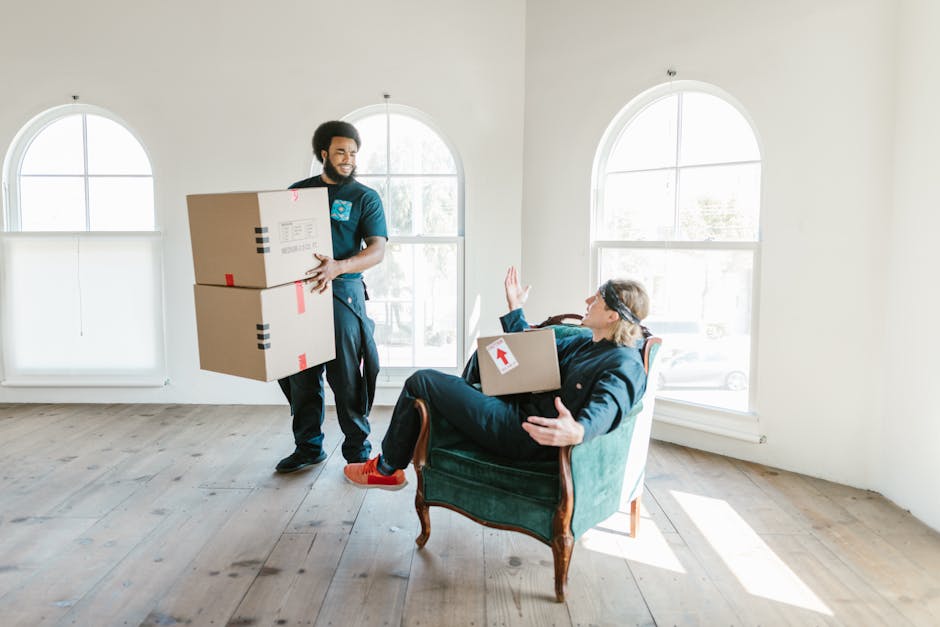
Stockwell Park Estate removals guide for local moves
If you are planning a move on or around Stockwell Park Estate, the practical realities matter just as much as the boxes. Narrow access, parking pressure, shared entrances, stairs, lift timings, and neighbours who are trying to get on with their day can all shape how smooth the move feels. This Stockwell Park Estate removals guide for local moves breaks everything down in plain English, so you can plan well, avoid common mistakes, and keep the day calm rather than chaotic. Truth be told, the best local moves are usually the ones that look almost boring on moving day.
Whether you are shifting from a flat to another flat, upsizing into a family home, or moving a few streets away, the basics are the same: understand the building, choose the right vehicle, pack with intent, and time the job properly. If you need a broader overview of home moving support, you may also find the site's home moves and flat removals pages useful as background.
Table of Contents
- Why this guide matters for Stockwell Park Estate moves
- How a local move typically works
- Key benefits and practical advantages
- Who this is for and when it makes sense
- Step-by-step guidance
- Expert tips for better results
- Common mistakes to avoid
- Tools, resources and recommendations
- Law, compliance, standards and best practice
- Options, methods and comparison table
- Case study or real-world example
- Practical checklist
- Conclusion
- Frequently asked questions
Why Stockwell Park Estate removals guide for local moves Matters
Stockwell Park Estate is the sort of place where a move can look simple on paper and then get awkward very quickly if nobody has thought through the site conditions. Local moves are often shorter in miles, but they are not always shorter in effort. In fact, a move within the same neighbourhood can be trickier than a cross-city trip because the loading, parking, and access constraints are often the real challenge.
That is why a focused guide matters. It helps you think beyond distance and ask the questions that actually affect the day: Can the van get near the entrance? Is there enough room to park for loading? Are there stairs, tight corners, or a lift booking to manage? What should be packed first so the property can be cleared efficiently? These are the details that save time and reduce stress.
It also matters because local moves tend to happen fast. People often book them around work, tenancy dates, school runs, or handover deadlines. A bit of structure makes the difference between a move that feels controlled and one that turns into a last-minute scramble. To be fair, nobody needs that kind of excitement on a weekday morning.
If your move involves bulk items, furniture, or a full household load, the right service choice is just as important as the route. For broader support, the pages on removals and removal services explain the main service direction in more detail.
How Stockwell Park Estate removals guide for local moves Works
A successful local move usually follows the same flow, even if the details vary. First, you assess what needs moving and how much space it will take. Then you decide on the vehicle and manpower needed. After that, you prepare the property, pack the items, and set a sensible timetable for loading, travel, and unloading.
On Stockwell Park Estate, the first practical step is often access planning. You want to know where the van can stop, whether there are estate restrictions, and how far items will need to be carried. A move that looks like a 20-minute drive can still take half a day if the vehicle is forced to park far away. That is the sort of thing people forget until the front door is already propped open.
Then there is the packing process. Local moves tempt people to leave everything until the night before, because "it's only down the road." Usually that works until you are hunting for phone chargers, documents, kettle parts, and the one box with the bedding in it. A better system is to pack in zones: essentials, breakables, furniture accessories, and first-night items.
Finally, you need the right handling approach for the property type. For a one-bedroom flat, a compact removal van or man and van arrangement may be enough. For a larger family move, a bigger vehicle or a more comprehensive crew may be the wiser call, especially if furniture needs disassembly and reassembly.
Key Benefits and Practical Advantages
There are real advantages to planning a local move properly, and they go beyond convenience.
- Less wasted time: When access, packing, and vehicle size are matched correctly, you avoid repeated trips and avoidable delays.
- Lower handling risk: Good planning reduces the chance of scraping walls, dropping furniture, or damaging stair rails and door frames.
- Better cost control: If you know what you are moving, you can choose the right service instead of overpaying for space or underbooking and needing another trip.
- Less household disruption: A neat loading plan keeps the day orderly, which matters a lot if children, pets, or neighbours are in the picture.
- Cleaner handover: A well-run move leaves the old property easier to check, clean, and return in good order.
There is also a mental benefit. Once the move has a structure, it stops living in your head all day. That is half the battle, honestly. You can make decisions with a clear head instead of reacting to every small problem as it appears.
For some moves, a service that includes packing help can be a huge relief. If that sounds like your situation, it is worth looking at packing and boxes and packing and unpacking services before you commit to doing it all yourself.
Who This Is For and When It Makes Sense
This guide is for anyone moving within Stockwell Park Estate, to or from nearby streets, or between local neighbourhoods where the journey is short but the logistics are not. It is especially useful if you are:
- moving from a flat with stairs or a shared entrance
- managing a same-building or short-distance relocation
- moving a small-to-medium household load
- working to a tight tenancy handover date
- trying to keep costs reasonable without cutting corners
- moving on your own, with family help, or with a small crew
It also makes sense if you have a few awkward items, like a sofa that has to turn at the landing, a wardrobe that will not fit through the door in one piece, or a heavy table that needs proper lifting technique. Those are the moments where "we'll just manage" tends to become "actually, maybe we shouldn't."
Students, flat sharers, and first-time renters often benefit from this kind of guidance too. If your move is lighter but still needs planning, the student removals page may be a good fit. If you are moving furniture only, furniture removals can be the more practical route.
Step-by-Step Guidance
Here is a straightforward way to handle a local move from Stockwell Park Estate without making it harder than it needs to be.
- Walk the property first. Note stairs, tight corners, doorway widths, lift access, communal corridors, and the likely carrying distance to the van.
- List what is going. Separate furniture, fragile items, electronics, clothes, paperwork, and anything you are leaving behind.
- Declutter before packing. Do not move things just because they exist. If an item is broken, unused, or unnecessary, decide its fate now.
- Choose the right moving format. A smaller load may suit man with van support, while a fuller house move may need a larger vehicle or more complete removal support.
- Pack by room and priority. Keep similar items together and label each box clearly with the room and a short content note.
- Prepare an essentials bag. Keep keys, charger, medication, toiletries, snacks, kettle items, and a change of clothes separate.
- Protect furniture. Use blankets, wraps, and corner protection where needed. Tape loose parts to the item or bag them securely.
- Confirm parking and timing. Make sure the van can load efficiently and that the start time works with both properties.
- Load in the right order. Bulky items first, essentials last, and fragile items in secure, stable positions.
- Check the old property before leaving. Look in cupboards, loft storage, under beds, behind doors, and near windows. The oddest things get forgotten. Always.
If the move is more involved, you may also want to consider a larger vehicle or specialist support. Relevant options include moving truck, removal truck hire, or full house removals.
Expert Tips for Better Results
Small choices often have a bigger effect than people expect. Here are the things that tend to make a local Stockwell move noticeably smoother.
- Use a colour system. A strip of tape or marker colour for each room helps unloaders place boxes quickly. It saves more time than people think.
- Pack the awkward items early. Lamps, mirrors, picture frames, and loose cables are the things that slow the last hour of packing.
- Keep hardware together. Bag screws, shelf pins, and fittings in labelled packets and tape them to the relevant furniture.
- Photograph cable setups. It takes 30 seconds and stops the classic "where did this go?" problem later.
- Leave a clear walkway. A tidy route through the home makes carrying easier and reduces the risk of knocks and slips.
- Be realistic about DIY help. Friends are great, but they are not a substitute for planning. And not everyone lifts the same way, do they?
One simple trick is to set up a "do not pack" corner. Put your keys, documents, chargers, bin bags, and the first-night bag there. If you are half-rushed on the day, you will still know where the critical items are. That little corner has saved more than one moving day from descending into chaos.
It can also help to review the company's expectations around safety and handling before booking. The pages on insurance and safety and health and safety policy are useful if you want to understand how a provider approaches risk management and careful moving practice.
Common Mistakes to Avoid
Most moving headaches are preventable. The usual mistakes are not glamorous, just annoying.
- Underestimating access. People often measure the journey and ignore the carrying distance, stairs, and narrow turns.
- Packing too late. Leaving the whole job until the evening before tends to create rushed, poorly labelled boxes.
- Choosing the wrong vehicle size. Too small means extra trips. Too big can be unnecessary expense.
- Forgetting building rules. Some estates and blocks have quiet hours, lift bookings, or loading restrictions.
- Not separating essentials. If you need to hunt for kettle items or your work laptop, the first night becomes messy very quickly.
- Leaving unwanted items to the end. That is how rubbish ends up travelling to a new home for no good reason.
One of the most common issues on local moves is furniture that was never properly measured against the new space. A sofa can be perfectly fine in your current living room and completely wrong in the next one. It happens a lot. Measure before you carry, not after.
If you already know some items will not make the move, consider whether furniture pick up or storage could help simplify the process. For overflow items, storage can buy you breathing room without forcing rushed decisions.
Tools, Resources and Recommendations
You do not need a mountain of specialist kit, but a few basic tools make a very real difference.
| Tool or resource | Why it helps | Best use case |
|---|---|---|
| Strong moving boxes | Protects contents and stacks neatly | Books, kitchen items, clothing, mixed household goods |
| Packing paper or bubble wrap | Buffers fragile items and prevents movement | Glasses, plates, decor, electronics accessories |
| Marker pens and labels | Makes unloading and room placement easier | Any move where boxes need organising quickly |
| Blankets and wraps | Helps avoid scuffs and edge damage | Furniture, mirrors, white goods, timber items |
| Tool kit | Useful for disassembly and quick fixes | Beds, shelves, wardrobes, flat-pack furniture |
| Trusted removal support | Keeps the day organised and physically manageable | Busy homes, heavy furniture, time-sensitive moves |
For bookings and pricing clarity, the pricing and quotes page is a sensible place to start. If you want to understand how payments are handled, the company's payment and security page is worth a look too.
If sustainability matters to you, especially during a move where some items are not worth keeping, the recycling and sustainability page can help set expectations about responsible disposal and reuse-minded practices.
Law, Compliance, Standards, or Best Practice
For a local move, there are a few standards and responsibilities worth keeping in mind, even if the move itself feels informal.
In the UK, you are generally expected to move items safely, avoid blocking access unnecessarily, and respect any building or estate rules that apply to shared spaces, lifts, loading areas, or noise. If you are using a professional mover, it is sensible to ask how they manage safety, insurance, and handling precautions. That is not being fussy. It is being sensible.
Best practice also includes clear communication about what is being moved, any unusually heavy or fragile items, and whether there are access limitations. If a mover has to guess, the job gets riskier for everyone. Good movers will normally prefer accurate information over assumptions, and quite rightly so.
You may also want to check terms before booking so you know what is included, what is excluded, and how changes are handled. The terms and conditions page is the kind of thing people skip and then wish they had not. A quick read can prevent misunderstandings later.
Expert summary: The safest local moves are the ones where access is measured, items are described honestly, the right vehicle is chosen, and the load plan is simple. Fancy isn't needed. Consistency is.
Options, Methods, or Comparison Table
Different moves need different approaches. The right choice usually depends on volume, access, timing, and how much help you want on the day.
| Option | Best for | Pros | Watch out for |
|---|---|---|---|
| DIY van hire | Small loads and very flexible schedules | Lower upfront cost, hands-on control | You handle all lifting, planning, and driving |
| Man and van | Local flat moves, furniture, small households | Good balance of help and efficiency | May not suit larger or more complex homes |
| Full removal service | Complete household moves or awkward access | Less stress, more support, better handling | Usually more involved than a small local job |
| Truck-based move | Bulkier contents or multiple rooms | More space in one trip | Needs good parking and loading space |
| Storage-assisted move | Staggered move dates or temporary overflow | Reduces pressure when handover dates do not align | Can add an extra planning step |
If you are undecided, think about how tired you want to be by the end of moving day. That sounds slightly glib, but it is often the real question. Some people want the cheapest workable option. Others want the simplest one. The right answer is different for each household.
Case Study or Real-World Example
Imagine a couple moving from a second-floor flat on Stockwell Park Estate to another property a few streets away. The distance is short, so they assume the move will be quick. Then they notice three issues: the sofa is bulky, the bed frame needs dismantling, and the loading area is not right outside the door.
Instead of trying to wing it, they split the job into phases. They pack most of the boxes two days before, set aside a labelled essentials bag, and remove the bed frame first. They also check the route from flat to van, which means they know exactly where the long carry will happen. By move day, there are no loose cables, no mystery bags, and no panic about the kettle.
The result is not magical, just well organised. They still have a busy morning, of course, but the work is manageable. The old place is cleared properly, the new flat receives boxes in the right order, and nobody ends up eating lunch standing in a hallway surrounded by half-open cartons. Small win, but a real one.
For many local movers, that is the whole point: remove the friction before it starts.
Practical Checklist
Use this checklist in the final 48 hours before moving.
- Confirm the move date, arrival time, and access arrangements
- Check whether parking or loading needs to be planned in advance
- Measure larger furniture against doorways and stair turns
- Finish packing non-essential items
- Label every box by room and priority
- Pack a first-night bag with essentials
- Defrost and clean any appliances if needed
- Separate items you are donating, recycling, or discarding
- Keep valuables and important documents with you
- Take photos of meters, cable setups, and any existing damage if relevant
- Check cupboards, loft areas, sheds, and behind furniture before leaving
- Make sure keys, codes, and contact details are easy to reach
Quick reassurance: if your checklist is not perfect, that is fine. It just needs to be good enough to keep the move steady. Perfection is overrated on moving day anyway.
Get a free quote today and see how much you can save.
Conclusion
A well-planned Stockwell Park Estate move does not need to be complicated. The main job is to think ahead about access, choose the right moving method, pack with intention, and keep the day organised from the first box to the last check of the hallway. Once those pieces are in place, a local move becomes far easier to handle.
The most helpful mindset is simple: treat the move as a small project, not a last-minute rush. Measure, label, sort, and confirm. Then let the actual moving happen with as little drama as possible. That is where the value is, especially in a busy London area where timing and access can change the whole experience.
If you are still weighing up your options, reviewing the wider removal companies landscape or browsing the available removal services can help you make a calmer decision. And once the boxes are in place and the kettle is working again, the whole thing starts to feel worth it.
Move steadily, trust the plan, and give yourself a bit of breathing room. That usually makes all the difference.
Frequently Asked Questions
What is the best removals option for a local move on Stockwell Park Estate?
For many smaller local moves, a man and van service is the most practical option because it balances cost, flexibility, and support. If the move involves multiple rooms, heavy furniture, or tight access, a fuller removal service may be better.
How far in advance should I book a Stockwell Park Estate removal?
As soon as you know your date, it is wise to start arranging the move. Local moves can be busy around month-end, weekends, and tenancy changeovers, so leaving it until the last minute can limit your options.
Do I need to pack everything myself?
Not necessarily. Some people pack their own boxes and ask for transport only, while others want help with packing and unpacking too. If time is tight, professional packing support can take a lot of pressure off.
How do I know what size vehicle I need?
List the major furniture items first, then estimate how many standard boxes you have. If you are unsure, it is better to describe the load clearly and ask for guidance than to guess. Guessing is where moves get awkward.
Can a removal van handle furniture and boxes from a flat?
Yes, a removal van is often suitable for flat moves, especially when the load is moderate. The key question is whether all items will fit safely in one trip and whether access allows efficient loading.
What should I do if my new place is not ready yet?
Storage can be a useful bridge when move-in and move-out dates do not line up. It is often the calmer choice if you would rather not rush everything into the wrong space.
Are same-day moves realistic for local relocations?
Sometimes, yes. A same-day move can work for smaller local jobs where the access is straightforward and the load is manageable. If you need this kind of flexibility, the same-day removals option is worth considering.
How can I reduce the risk of damage during the move?
Pack fragile items carefully, protect furniture edges, clear pathways, and make sure heavy items are lifted properly. Taking a little more time at the start usually prevents damage later.
What if I only need help moving a few large items?
That is very common. Furniture-only support can be the most efficient choice for sofas, beds, wardrobes, or white goods. A focused service avoids paying for more help than you need.
Should I use storage during a local move?
Use storage if your dates do not match, if you are downsizing, or if you want time to sort through belongings after the move. It is not just for big complicated relocations; sometimes it simply makes life easier.
What should I check before the moving team arrives?
Check access, lift bookings if relevant, parking arrangements, box labels, keys, and the essentials bag. If those pieces are ready, the rest of the day tends to run much more smoothly.
Is this guide useful for flat moves as well as house moves?
Yes. In fact, it is especially useful for flat moves because access issues, stairs, and shared entrances often matter more in estate and apartment settings than they do in a straightforward house move.