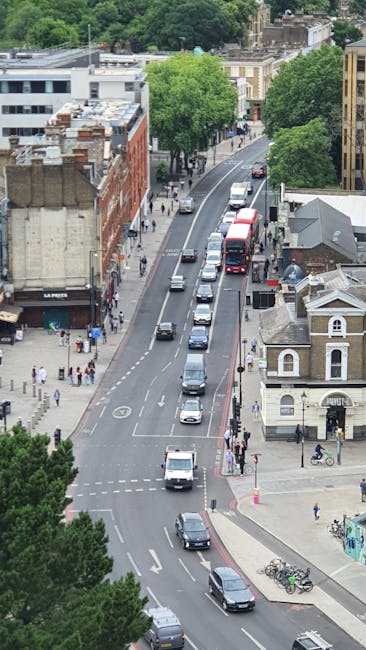
Clapham Road man and van tips for Stockwell moves

If you are moving near Clapham Road and Stockwell, you already know the area can be a little unpredictable in the best possible way. One minute it is a straightforward terrace-to-flat move; the next, you are dealing with a tight stairwell, a busy road, and a front door that barely clears a sofa. That is exactly why smart Clapham Road man and van tips for Stockwell moves matter. The right approach saves time, reduces stress, and helps you avoid the kind of moving-day surprises that make everyone tired before the kettle is even unpacked.
This guide walks you through the practical side of moving in and around Stockwell: how a man and van service works, what to prepare, where people usually go wrong, and how to make the job smoother from first box to final placement. You will also find a checklist, a comparison table, and a realistic example so you can plan with a bit more confidence. Let's keep it useful, simple, and local.
- Why these tips matter in Stockwell
- How the move works step by step
- Main benefits of using a man and van
- Who this is best for
- Practical moving steps
- Expert tips that make a real difference
- Mistakes to avoid
- Tools, resources and recommendations
- Compliance, safety and good practice
- Options and comparison table
- Real-world example
- Checklist
- Conclusion
- Frequently asked questions
Why Clapham Road man and van tips for Stockwell moves Matters
Stockwell and the streets around Clapham Road are the kind of places where a move can feel easy on paper and then become oddly fiddly on the day. Parking can be limited, roads can be busy, and many homes are flats with narrow corridors, awkward corners, or stairs that seem to go on forever. If you are moving at the wrong time of day, you may also run into heavier traffic than expected. Nothing dramatic. Just enough to slow everything down.
That is why good preparation matters. A man and van move is usually flexible, but flexibility only works when you give the crew the right information up front: what you are moving, how much there is, whether there is lift access, where the van can stop, and whether any items need extra care. In our experience, a lot of stress comes from small things that were never mentioned in the booking call.
There is also a cost angle. The cleaner the plan, the less time the team spends waiting, shuffling, or making repeat trips. If you are comparing options, a clear plan can be the difference between an efficient half-day move and one that drags on into the afternoon with everyone quietly wishing they had labelled the boxes better. Been there, seen that.
For many Stockwell moves, a well-planned service is a better fit than hiring a larger vehicle than you need. You get the movement support you actually want, without paying for unnecessary capacity. And if you need a wider removals solution, it helps to understand the broader removals and removal services options available, especially when the move includes bulky furniture or a more complex layout.
How Clapham Road man and van tips for Stockwell moves Works
A man and van move is simple in principle. You book a vehicle and helper, agree what needs moving, and then the team loads, transports, and unloads your belongings. The detail is where the difference lies. A smooth move is rarely about strength alone; it is about sequence, access, and time management.
Here is the usual rhythm:
- Initial discussion: You explain what needs moving, where from, where to, and any access limits.
- Quote and vehicle choice: The service works out whether a smaller removal van, a larger van, or a more specialised option makes sense.
- Loading plan: Heavier items go in first, fragile pieces are protected, and items are grouped so unloading is easier.
- Transport: The driver takes the most sensible route based on timing, access, and traffic.
- Unloading and placement: Boxes and furniture are placed in the right rooms, which saves time later.
That sounds basic, but the move becomes much easier when you treat it like a sequence rather than a scramble. For example, if you know the wardrobe needs dismantling, do that before the team arrives, not while the van is idling outside and someone is hunting for the Allen key. Small thing, big difference.
If your move overlaps with packing help, storage, or furniture handling, it can be worth looking at supportive options such as packing and boxes and storage. These are not just add-ons; for some moves they are what keeps the day from becoming chaos with tape.
Key Benefits and Practical Advantages
The biggest advantage of a man and van move is flexibility. You are not forced into a one-size-fits-all removal plan. That matters in Stockwell, where homes vary a lot in layout, age, and access. Some people are moving from a compact studio. Others are leaving a top-floor flat with stairs that test everyone's patience. A flexible setup can adapt to both.
Here are the practical wins:
- Less wasted space: You are using the right size vehicle for the job, not a massive truck for three boxes and a bike.
- Faster loading: With the right prep, the team can work methodically rather than repeatedly moving the same item.
- Lower stress: A smaller-scale move often feels less formal and more manageable.
- Better local access handling: A good team understands how to work around tight streets, awkward parking, and narrow entrances.
- Useful for mixed loads: Ideal when you are moving furniture, personal items, and maybe a couple of awkward bits like mirrors or small appliances.
There is also a practical benefit many people overlook: control. You can often book exactly the level of help you need. For instance, if you have already packed and only need transport plus lifting, a man and van service can be more sensible than a full-scale removal package. If you need a more hands-on approach for a house, the broader house removals and home moves pages are more relevant.
Expert summary: The best Stockwell move is not always the biggest service. It is the one that fits your access, volume, timing, and energy levels without wasting either money or momentum.
Who This Is For and When It Makes Sense
This kind of move suits more people than you might think. It is not only for students or people moving a couple of bits of furniture. Truth be told, it works especially well for anyone with a medium-to-small load who wants decent help without overcomplicating the job.
A man and van is a strong fit if you are:
- moving from a flat or apartment in Stockwell
- relocating along or near Clapham Road
- transporting a few large items, not a whole household
- moving into or out of shared accommodation
- changing office space with limited furniture
- shifting items into storage
- needing help on a same-day or short-notice basis
It is also a sensible choice for people who are perfectly happy packing themselves but want help with lifting and transport. You may not need the full-service treatment. You may just need another pair of hands and a van that turns up on time. Fair enough.
If you are a student, the move can be especially practical when term dates, tenancy end dates, and train timetables all collide. In those cases, student removals can be a better fit than trying to DIY everything in one go. For office or commercial moves, the needs are different again, and pages such as commercial moves and office removals may be more appropriate.
Step-by-Step Guidance
Here is the practical part. If you want the move to go smoothly, use this sequence. It is not glamorous, but it works.
1. Measure before you book
Measure the larger items you are moving: sofas, beds, wardrobes, tables, mirrors, and any bulky boxes. Also check stair widths, landing corners, lift sizes, and front door clearance. One of the most common moving-day delays is discovering, at the last second, that a sofa is wider than the turn at the top of the stairs. Not ideal.
2. Separate what is moving from what is staying
Before packing gets serious, create a clear divide between items that are going and items that are not. Use a spare room, a hallway corner, or even colour-coded labels. The aim is simple: no confusion when the van arrives. It sounds obvious, but moving day has a funny way of blurring the obvious.
3. Book access-friendly timing
If possible, avoid peak rush times around busy roads. Early starts can be useful, though not always necessary. The point is to give yourself enough daylight and enough breathing room. A move at 8 a.m. feels different from one squeezed into late afternoon when everyone is tired and the building is full of deliveries.
4. Pack room by room
Packing by room makes unloading easier and stops the chaos of mixed items in random boxes. Label each box with the room and a quick note: "kitchen - mugs", "bedroom - bedding", "hall - cleaning items". Small labels save big headaches later.
5. Protect awkward items properly
Wrap mirrors, TVs, and picture frames carefully. Remove detachable parts from furniture where possible. Keep screws and fittings in sealed bags and tape them to the item they belong to. It is one of those tiny admin tasks that feels dull in the moment and brilliant later.
6. Prepare a parking plan
Stockwell streets can be tight, so think about where the van will stop. If parking is likely to be awkward, tell the mover in advance. That way they can plan whether the crew needs extra time for carrying distances or whether a quicker loading point is available. If you do not think about this ahead of time, the clock starts eating into your move. Rather rude, really.
7. Pack an essentials bag
Keep a small bag with keys, chargers, medication, kettle bits, loo roll, snacks, and any paperwork you need on the day. This is the bag that saves your evening. The first night in a new place is always slightly strange, and the essentials bag makes it feel more human.
Expert Tips for Better Results
Here are the little things that make a move feel smooth rather than merely survivable.
- Disassemble early: Flat-pack items, bed frames, and table legs are easier to manage if they are broken down before the team arrives.
- Front-load the fragile items: Put fragile pieces near the top of your packing list so they do not become an afterthought.
- Use one colour for one room: A simple colour system can help everyone spot where things belong without stopping to read every label.
- Keep doorways clear: A tidy exit path speeds everything up more than people expect.
- Tell the team about difficult items: If you have a piano, antique cabinet, heavy marble table, or unusually awkward object, say so early. The service may need specialist support such as piano removals or wider furniture removals.
A small but useful habit: take quick photos of any valuable or delicate items before the move. Not because you expect a problem, but because it helps keep everyone clear on what condition the item was in beforehand. It is simple good practice.
If you are moving a lot of boxes, consider whether you need packing support. A service like packing and unpacking services can be a serious time-saver, especially if work or family life leaves you very little slack.
Common Mistakes to Avoid
Most bad moving experiences are not dramatic disasters. They are a chain of small avoidable errors. The good news? Most of them are easy to fix next time.
- Underestimating the volume: People often think their belongings will take less space than they do. They do not. Boxes have a sneaky way of multiplying.
- Not checking access: A move can be delayed by a lift that is too small, a staircase with a sharp turn, or a parking spot that never really existed.
- Packing mixed rooms together: This makes unloading slower and unpacking messy.
- Leaving loose items for the final hour: Loose lamps, kitchen bits, and random chargers are exactly the kind of thing that disappears under pressure.
- Forgetting insurance questions: If you are moving anything valuable, ask what protection is in place and what the service covers.
- Booking too tightly: If you schedule the van against another appointment, there is no buffer when something runs long. And something often does.
One slightly funny but true mistake: people remember to pack the remote control and forget the Wi-Fi router. Priorities, I suppose. But the router matters more on night one than anyone admits.
Tools, Resources and Recommendations
You do not need fancy equipment for a well-run move. You need the right simple tools and a few sensible habits.
| Item | Why it helps | Best use |
|---|---|---|
| Strong boxes | Protects contents and stacks safely | Books, kitchenware, mixed household items |
| Packing tape | Keeps boxes secure | All boxed items |
| Bubble wrap or paper | Cushions fragile objects | Glass, lamps, decor, crockery |
| Marker pens | Makes labels easy to read | Room labels and quick notes |
| Furniture blankets | Helps reduce scratches and bumps | Wooden furniture, tables, drawers |
| Zip bags | Stores screws and fittings together | Flat-pack and dismantled furniture |
| Dolly or trolley | Reduces lifting effort | Heavier boxes and appliances |
For many people, the most helpful "resource" is simply a clear quote process and a company that communicates properly. If you are comparing options, a transparent pricing and quotes page is worth reviewing because it helps you understand what is included before moving day arrives.
Other useful supporting pages include removal companies if you are comparing service styles, and removal truck hire if your move is large enough to justify a bigger vehicle. The right resource depends on scale, not on the name alone.
Law, Compliance, Standards, or Best Practice
Moving house or relocating items is not usually a heavily regulated process for the customer, but there are still important expectations around safety, insurance, and fair handling of belongings. A trustworthy mover should be able to explain how they manage loading, lifting, transport, and damage risk in plain English.
Good practice includes:
- using safe lifting methods and avoiding unnecessary strain
- securing items inside the van so they do not shift in transit
- communicating honestly about access limits and delays
- handling customer property with care and respect
- being clear about payment terms before the job starts
It also helps to check the company's own policies. For example, a proper insurance and safety page should help explain how property is handled and what precautions are taken. Likewise, a clear health and safety policy can show that the service takes the practical risks seriously rather than treating them like admin fluff.
If you are the customer, your side of best practice is straightforward: give accurate information, pack safely, disclose awkward items, and do not leave the van crew guessing. Nobody benefits from guesswork on moving day.
Options, Methods, or Comparison Table
Choosing the right moving option depends on how much you have, how far you are going, and how much help you actually want. A quick comparison helps make that clear.
| Option | Best for | Strengths | Trade-offs |
|---|---|---|---|
| Man and van | Small to medium moves, flats, flexible jobs | Flexible, practical, usually efficient | Less suited to very large household loads |
| Full removals | Whole homes, larger family moves | More comprehensive support | Can be more than you need for a lighter move |
| Van-only hire | Experienced movers with loading help sorted elsewhere | Simple and direct | You may need to do more lifting yourself |
| Storage plus transport | Moves with timing gaps or renovation delays | Useful when move-in and move-out dates do not align | Extra planning and coordination required |
For a lot of Stockwell residents, the best answer is the middle path: enough help to make the day manageable, but not so much that the move becomes complicated. If you are shifting a business or office rather than a home, pages like office relocation services and commercial moves are more suitable reference points.
Case Study or Real-World Example
Here is a realistic example from the sort of move people around Clapham Road deal with all the time.
A renter in a second-floor Stockwell flat needs to move to a nearby property with no lift, a narrow staircase, and a couple of heavy items: a double mattress, a chest of drawers, a small sofa, six boxes of books, and kitchen gear. They have already packed most of it, but there are a few loose items still sitting around the flat at 7 p.m. the night before. Classic.
The move goes more smoothly when they do three things early:
- they measure the sofa and the stairwell
- they reserve a clear parking point near the building entrance
- they label every box by room
Because the move is nearby and the load is moderate, a man and van setup is enough. The crew can load quickly, transfer the furniture, and place boxes in the correct rooms. The customer still has a bit of unpacking ahead, but the hardest part is done without drama.
The important lesson? The move itself was not exceptional. The preparation was. That is usually the whole game.
Practical Checklist
Use this checklist the day before and again on the morning of the move.
- All boxes are sealed and labelled by room
- Fragile items are wrapped and marked clearly
- Furniture to be dismantled is already taken apart
- Screws, brackets, and fittings are bagged together
- Parking or loading access has been checked
- Keys, phones, chargers, and documents are in one place
- Stair access, lift access, and entry codes have been shared
- Any large or awkward items have been flagged in advance
- Essentials bag is ready for the first night
- Final walk-through has been done room by room
If the move is bigger than expected, or you want help taking boxes in and out as well as transporting them, it may be worth reviewing removals and flat removals to see which approach feels more appropriate for your situation.
Conclusion
The best Clapham Road man and van tips for Stockwell moves are the practical ones: measure carefully, pack cleanly, flag access issues early, and choose the service level that actually fits the job. Stockwell moves do not need to be stressful, but they do need a bit of planning. That is the difference between a long, tiring day and a move that feels pleasantly ordinary.
Whether you are moving a compact flat, a student room, a few large furniture items, or a small office setup, the right preparation turns a local move into a manageable one. A bit of structure goes a long way. So does honesty about what needs lifting, where the van can stop, and how much time you really have.
Get a free quote today and see how much you can save.
And if you are still at the "boxes everywhere, not sure where to start" stage, that is fine too. Start small, keep going, and remember: most moves are only as complicated as the packing makes them.
Frequently Asked Questions
What is the best way to prepare for a man and van move in Stockwell?
The best preparation is to measure larger items, label boxes by room, clear access routes, and share parking or lift details before moving day. That keeps the job efficient and avoids delays.
How far in advance should I book a man and van on Clapham Road?
As soon as you know your date, book it. For busy periods, giving yourself more lead time is wise. If your move is short-notice, some services can still help, but availability may be tighter.
Is a man and van service enough for a flat move in Stockwell?
Often, yes. For small to medium flat moves, especially when you have already packed, a man and van setup can be a very sensible choice. For larger or more complex moves, a fuller removals service may be better.
What should I tell the mover before moving day?
Tell them how much you are moving, whether there are stairs or lift restrictions, where the van can park, and whether you have any heavy or fragile items. The more accurate the information, the smoother the day.
Can I use storage if my move dates do not line up?
Yes, storage can be a practical bridge when move-out and move-in dates do not match. It is especially useful if decorating, repairs, or tenancy timing gets in the way.
What items need extra care during a move?
Glass, mirrors, TVs, artwork, antiques, and bulky furniture all need careful handling. Items with odd shapes or delicate finishes usually benefit from extra wrapping and clear labelling.
How do I know whether I need removals rather than a man and van?
If you are moving a whole household, have lots of large furniture, or need more hands-on support, full removals may be the better fit. If your load is smaller or more straightforward, a man and van is often enough.
Are same-day bookings possible?
Sometimes they are. It depends on availability and the size of the move. If you need urgent help, check a same-day removals option early and be ready with accurate details.
What should I do if my sofa will not fit through the door?
Measure first, dismantle where possible, and check the route from room to van. If it still will not fit, you may need to remove legs or take the item apart further. This is why measuring matters before the booking, not after.
How can I keep costs under control on moving day?
Pack in advance, label clearly, disassemble furniture early, and make access easy. The less time the crew spends waiting or working around avoidable issues, the more efficient the move tends to be.
Is it worth using packing help as well?
If you are short on time, have fragile belongings, or simply do not want to live in a sea of tape and cardboard, packing support can be worth it. It is especially helpful for busy households and office moves.
What is the main mistake people make on local moves like this?
The biggest mistake is underestimating the access problem. People often focus on distance and forget about stairs, parking, and box volume. In local moves, the route in and out often matters more than the mileage.